Evoke's William Hill Faces 200 UK Shop Closures Starting May 2026 Amid Budget Tax Pressures
Ines Hughes · Apr 1, 2026

Evoke's William Hill Faces 200 UK Shop Closures Starting May 2026 Amid Budget Tax Pressures
The Announcement and Timeline
Evoke, the parent company behind William Hill, revealed plans to shutter around 200 betting shops across the UK, with closures set to begin in May 2026; staff received the news directly on March 31, 2026, marking a pivotal moment as the industry grapples with mounting financial strains. This decision affects a portion of the company's roughly 1,300 total outlets nationwide, where operations have long anchored high streets from bustling city centers to quieter suburbs. Observers note how such announcements often ripple through local communities, especially since these shops have served as hubs for punters placing bets on everything from horse races to football matches over decades.
What's interesting is the precise timing: informed at the end of March, the rollout pushes into late spring, giving employees a window—albeit tight—to prepare for transitions, while customers scout alternatives amid the shift toward online platforms that have exploded in popularity. Data from the company highlights this as a direct response to intensified cost pressures, particularly those stemming from recent budget measures, and it underscores a pattern where physical venues bear the brunt of regulatory and economic shifts.
And yet, the scale stands out; closing 200 shops represents about 15% of the portfolio, a move that experts have observed in similar firms navigating fiscal squeezes, but one that hits William Hill's legacy footprint especially hard given its status as a high street staple since 1934.
Root Causes: Tax Hikes and Cost Escalations
The company pins the closures squarely on increased cost pressures, with tax hikes from the recent UK budget cited as a primary culprit; Chancellor Rachel Reeves' policies have ramped up levies on the gambling sector, squeezing margins that were already thin due to evolving consumer habits and stricter regulations. According to Bloomberg reports, these measures form part of broader government crackdowns aimed at curbing problem gambling while boosting public coffers, yet they land heavily on operators like Evoke whose brick-and-mortar model relies on high volumes to offset overheads like rent and staffing.
Turns out, the budget's gambling tax raid—enacted earlier in 2026—hiked rates on remote gaming duties and point-of-consumption taxes, pushing annual burdens higher for firms with significant land-based exposure; William Hill, despite its digital pivot, still draws substantial revenue from shops where bets on live events fuel foot traffic. Researchers who've tracked these fiscal policies point out how such increases compound existing woes, from energy costs to compliance demands under the Gambling Commission's oversight, creating a perfect storm that forces strategic retreats.
Here's where it gets interesting: Evoke's leadership emphasized that without these adjustments, viability simply crumbles under unrelenting pressures, a sentiment echoed in industry briefings where executives detail how tax receipts now outpace sector growth, leaving little room for legacy operations to adapt swiftly.
Take one case from recent years where similar tax adjustments prompted Ladbrokes Coral to trim outlets; figures reveal a parallel trajectory, with Evoke now following suit as costs climb 20-30% in affected categories, per internal estimates shared post-announcement.
Job Impacts and Workforce Realities
Up to 1,500 jobs hang in the balance from these 200 closures, a figure that captures not just counter staff but managers, cleaners, and support roles tied to daily shop functions; those informed on March 31 now face consultations that could extend into April 2026, where unions and management negotiate redundancies, redeployments, or voluntary exits. People who've studied labor shifts in retail gambling note how such cuts often cluster in urban areas like London and Manchester, where multiple outlets per region amplify the human toll.
But here's the thing: Evoke commits to supporting affected workers through redeployment where possible—shifting some to surviving shops or online divisions—and enhanced severance packages, measures that align with legal requirements under UK employment law while softening the blow in high-unemployment pockets. Data indicates that the broader sector has shed thousands of positions since 2020, with physical betting shops dropping from over 9,000 to around 6,000 nationwide, so this latest wave fits a grim but predictable decline.
Broader Sector Decline and Government Role
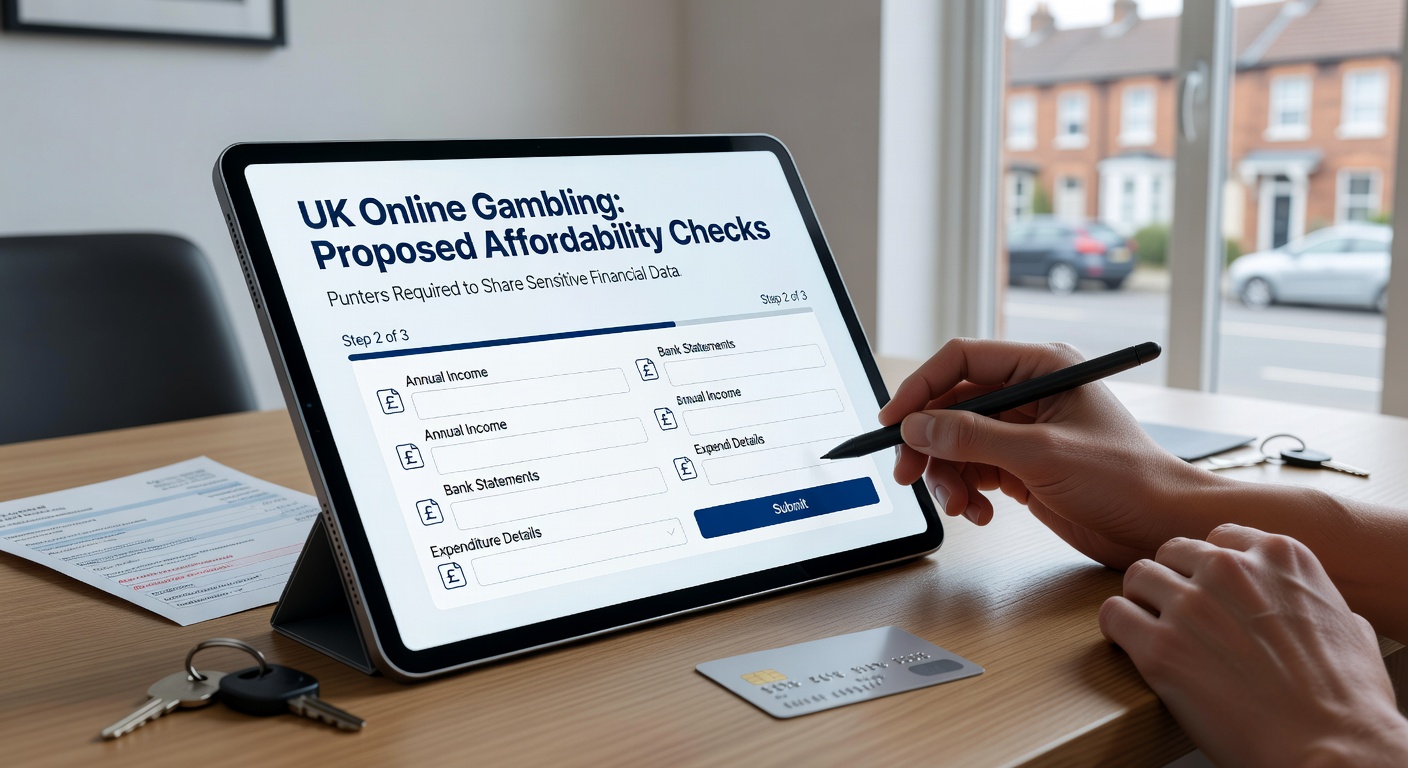
This move continues a marked downturn in the physical betting landscape, fueled by Chancellor Reeves' crackdowns that include affordability checks, stake limits on slots, and enhanced levy contributions to problem gambling funds; while online wagering surges—now accounting for 70% of gross gambling yield per Gambling Commission figures—high street shops struggle against digital rivals offering 24/7 access without the trek downtown. Observers have long pointed to this divergence, where punters favor apps for in-play football bets or virtual horse racing, leaving traditional venues as relics of a pre-smartphone era.
So, as April 2026 unfolds with fresh consultations and local council reactions, the story highlights how policy bites back on an industry that's funded sports from Premier League sponsorships to Cheltenham Festival purses; Evoke's 1,300 shops, once a powerhouse network post its 2022 acquisition of William Hill by Rubicon Malta (now rebranded Evoke), now contract amid these headwinds. Studies found that shop revenues per outlet have halved since 2019, exacerbated by smoking bans, fixed-odds terminal curbs, and now these tax escalations that redirect billions to the Treasury.
It's noteworthy that competitors like Flutter Entertainment have accelerated their own consolidations, closing hundreds in prior years, which sets the stage for Evoke's response as the ball lands firmly in their court to balance shareholder returns with operational sustainability.
One researcher tracking high street economics notes how betting shops once buoyed newsagents and pubs through footfall synergies, but that's eroded as closures cluster, turning vibrant strips into quieter zones—a shift evident in towns like Blackpool where multiple William Hill sites face the axe.
Company Background and Strategic Shifts
Evoke plc, listed on the London Stock Exchange, oversees William Hill's UK estate alongside international arms and online brands like 888sport; the 2022 merger created a hybrid giant blending legacy shops with digital prowess, yet physical assets—comprising 40% of revenues—prove vulnerable to policy pivots. Those who've analyzed annual reports see how shop profitability dipped below 5% margins pre-budget, prompting this cull to streamline toward growth areas like US-facing Bet365 rivals or Italian iGaming.
Now, with closures phased from May 2026, the firm eyes efficiencies that could save tens of millions annually, redirecting funds to tech upgrades and marketing that lure millennials to mobile parlays on NBA playoffs or Cheltenham ante-posts. Experts observe that such rationalizations aren't new—Entain trimmed 800+ shops since 2020—but Evoke's scale amplifies the stakes, especially as April boardroom talks hint at accelerated digital investments to offset losses.
The reality is, William Hill's brand endures online, where live streaming and cash-out features keep punters engaged, proving that while shops fade, the core product—odds on Arsenal vs. City or Grand National longshots—thrives in virtual form.
Implications for Punters and Local Economies
For regular bettors, losing 200 venues means longer journeys to the nearest outlet or a full embrace of apps that deliver odds comparisons via Oddschecker tools and seamless PayPal deposits; communities feel it too, as shops often serve as social spots for retirees scanning Racing Post form guides over tea. Figures reveal that rural areas might see outsized hits, with some towns left shopless, pushing reliance on post offices for cash-ins or e-wallets like Neteller for withdrawals.
Yet, the silver lining emerges in boosted online safeguards—Reeves' reforms mandate frictionless tracking—while industry levies fund NHS addiction services, a trade-off that stakeholders debate in April 2026 forums. People who've navigated past closures often discover that bet builders and extra-place offers migrate effortlessly online, maintaining the thrill without the high street hassle.
Looking Ahead: Adaptation in a Changing Landscape
As Evoke implements these changes from May 2026, the focus sharpens on resilience; with 1,100 shops remaining, the company positions itself to weather further tweaks, perhaps lobbying for tax reliefs that ease the load on surviving sites. Data suggests the sector's total headcount could stabilize if digital offsets job losses adequately, but observers watch closely for ripple effects on levy-funded racing where William Hill's contributions have sustained prize pots.
In the end, this episode encapsulates the physical betting world's contraction under fiscal and behavioral pressures, a trend where government ambitions to protect players clash with operators' bids for survival; as April 2026 progresses, consultations and redeployments will test Evoke's handling, setting precedents for peers in a landscape that's anything but static.