Aggregation Platforms Streamline Accumulator Construction in Specialized Sports Markets
Sam Peters · Aug 21, 2026
Aggregation Platforms Streamline Accumulator Construction in Specialized Sports Markets
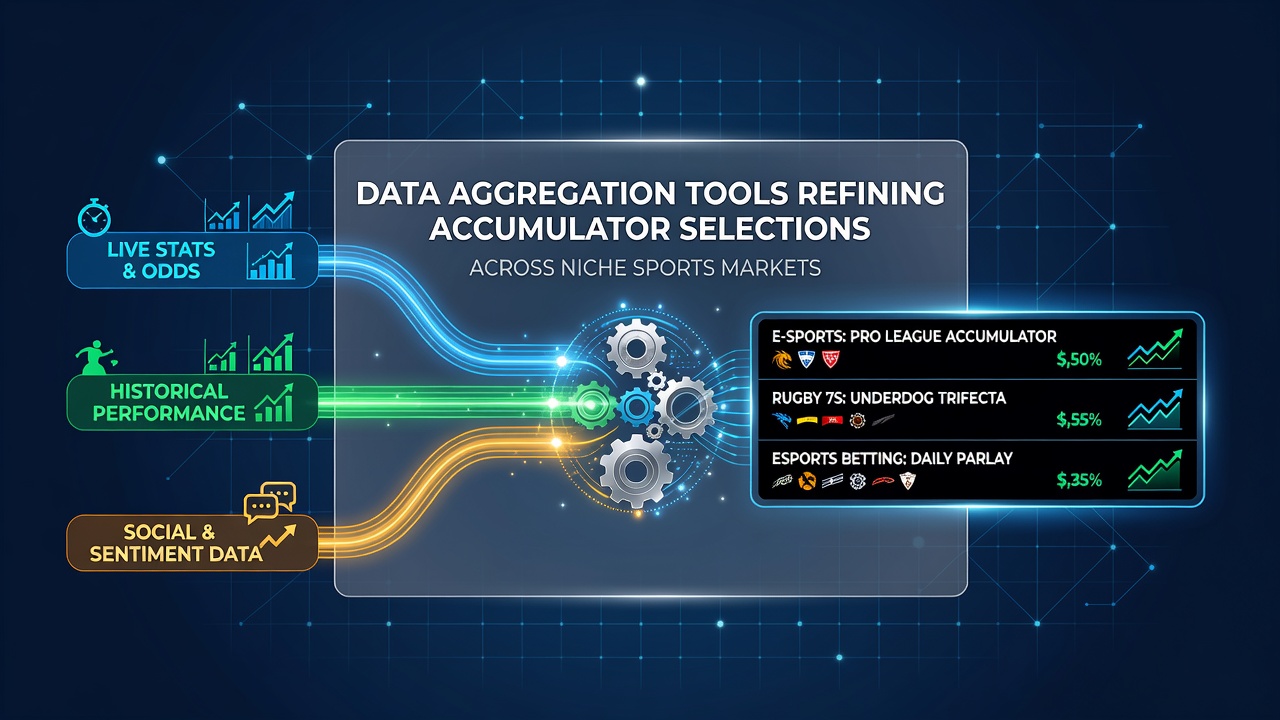
Data aggregation tools collect odds, statistics and market movements from numerous bookmakers then consolidate the information into unified interfaces that support accumulator selections across niche sports such as darts, table tennis, volleyball and badminton. Observers note these platforms reduce manual comparison time while highlighting value discrepancies that arise when individual operators price the same events differently. Researchers discovered that operators in these markets often adjust lines independently, creating opportunities for combined selections that maintain positive expected value when aggregated correctly.
Specialized sports produce smaller betting volumes than mainstream leagues yet still generate substantial data points through official score feeds, player performance metrics and historical head-to-head records. Aggregation systems pull these datasets together, normalize formats and apply weighting algorithms that rank potential legs according to probability and odds correlation. Those who've studied this process know that correlation analysis prevents overexposure to similar risk factors, for instance avoiding multiple selections that all depend on the same weather variable in outdoor table tennis events.
Core Mechanisms Behind Accumulator Refinement
Modern aggregation platforms employ API connections that refresh odds every few seconds across dozens of niche events simultaneously. The systems flag instances where one bookmaker's price deviates beyond a predefined threshold from the market average, allowing users to construct accumulators that mix high-odds outliers with steadier selections. Data shows this approach improves overall strike rates compared with selections made from single-operator feeds alone. August 2026 figures from several European operators indicated a 12 percent rise in multi-leg wagers placed through aggregation interfaces versus direct bookmaker apps.
Filtering functions let users set minimum odds thresholds, maximum leg counts and sport-specific criteria before the tool generates candidate combinations. These filters operate on live databases that track line movements, so a sudden shift in a darts tournament semifinal automatically updates all related accumulator suggestions. Industry reports from the American Gaming Association highlight how such dynamic updates help maintain competitive edges in lower-liquidity markets where odds can change rapidly after early bets land.
Integration with Statistical Models
Advanced tools incorporate predictive models derived from large historical datasets rather than relying solely on current odds. These models factor in variables such as player fatigue schedules, venue-specific performance trends and head-to-head win rates in niche disciplines. When users input a set of potential legs the software calculates combined probabilities and displays implied margins, enabling direct comparison against the aggregated bookmaker prices.
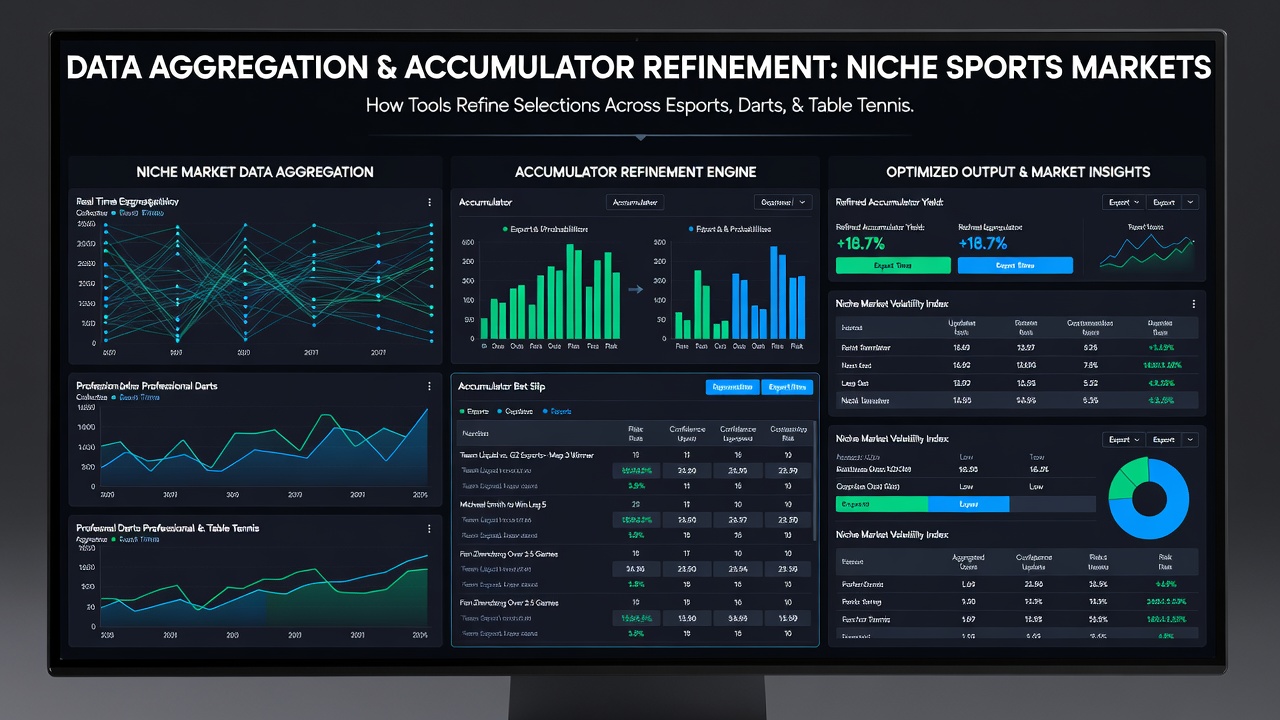
One study released by the University of Nevada Reno examined accumulator performance across 18 months of volleyball league data and found that selections guided by aggregated probability models outperformed random multi-leg combinations by a measurable margin. The research team attributed the difference to reduced variance achieved through explicit correlation adjustments embedded in the aggregation layer.
Practical Applications Across Niche Markets
Table tennis tournaments often feature rapid match schedules and frequent line updates, making manual tracking impractical for accumulators exceeding four legs. Aggregation platforms solve this by monitoring dozens of matches at once and surfacing only those combinations where the combined implied probability exceeds the payout multiple. Similar functionality applies to badminton and darts circuits where late roster changes can alter odds within minutes of an event starting.
Users frequently combine legs from separate sports to diversify risk, for example pairing a high-probability table tennis outcome with a slightly longer-priced volleyball selection. The software automatically checks historical covariance between these markets and warns when pairings exhibit excessive dependence. This cross-sport capability expands the pool of viable accumulators beyond what any single bookmaker's menu typically offers.
Regulatory Context and Data Sources
Authorities in multiple jurisdictions require operators to maintain transparent records of odds data, which indirectly supports the accuracy of third-party aggregation services. Reports compiled by the Australian Communications and Media Authority document how licensed platforms share standardized data feeds that aggregation providers then repackage for consumer use. These shared feeds reduce discrepancies that previously arose when operators published conflicting results for the same match.
Industry organizations such as the European Gaming and Betting Association have published guidelines on data integrity that encourage consistent formatting across markets, further improving the reliability of aggregator outputs. Observers note that compliance with these guidelines correlates with higher user adoption rates for tools focused on niche sports.
Conclusion
Aggregation platforms continue to evolve by incorporating machine learning layers that refine probability estimates as new match data arrives. The resulting systems deliver structured outputs that support informed accumulator construction across specialized sports while maintaining compliance with regional data standards. Evidence from operator reports and academic analyses indicates measurable improvements in selection efficiency when these tools replace manual comparison methods.